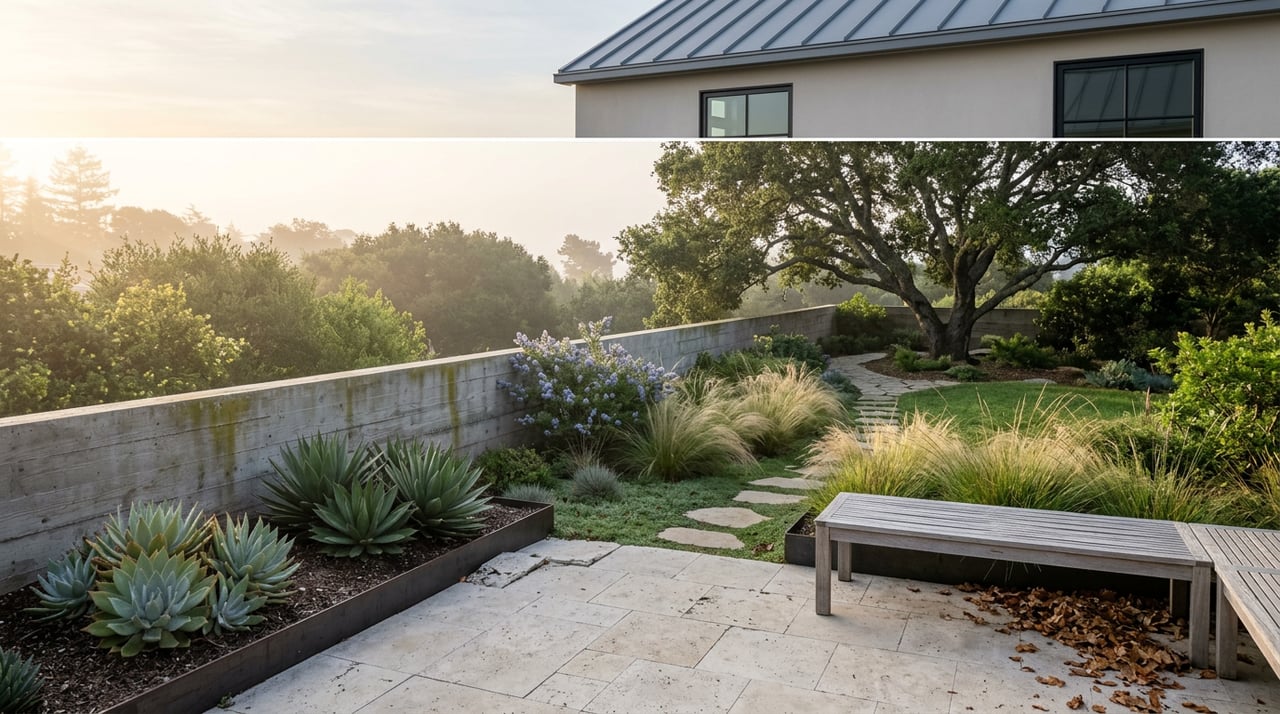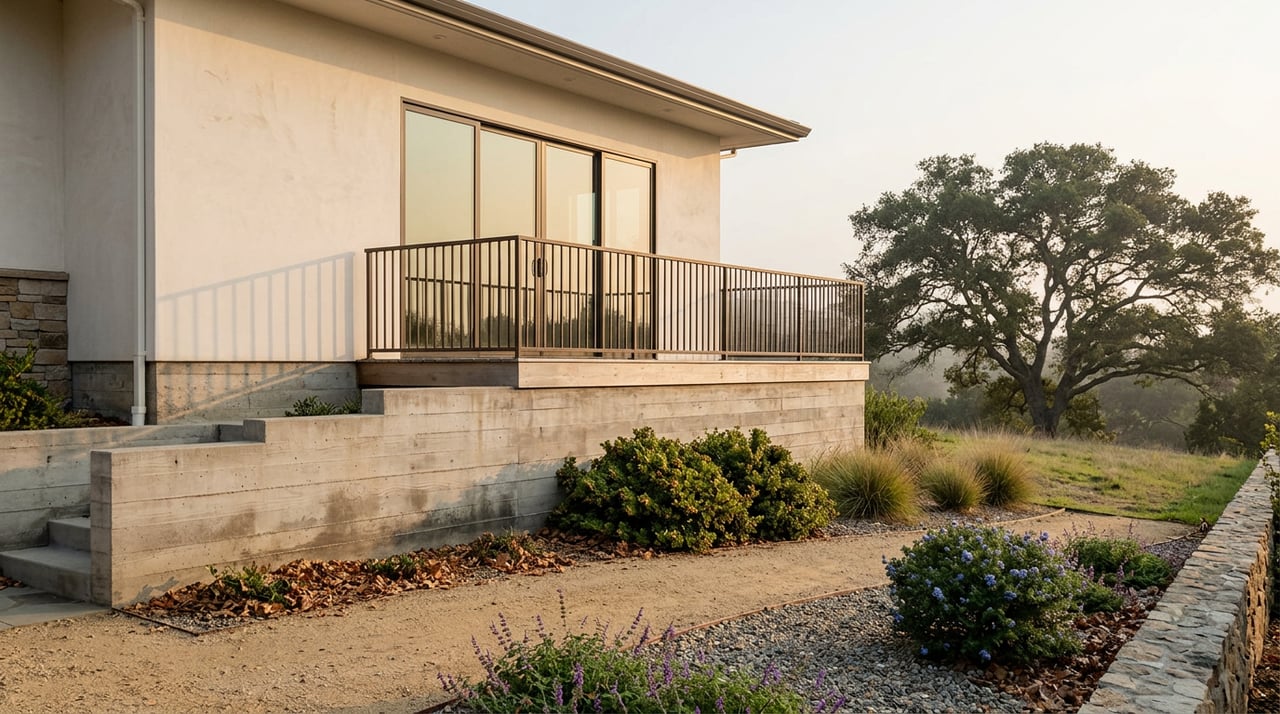
In January, a two-bedroom, one-bath house on 1.65 acres off San Gabriel Road went on the market in Atascadero listed at $639,000. It closed at $690,000, fifty-one thousand dollars over asking, in a month when regional headlines were still describing North County as a market handing leverage back to buyers.
That gap between the story and the sale is worth sitting with, because it hasn't closed. It's widened. And if you're comparing Atascadero to Paso Robles or San Luis Obispo right now, the number you're using to make that comparison may not mean what you think it means.
Two Pages, One Town, Two Different Markets
Pull up Zillow's estimate for Atascadero and you'll see a typical home value of $738,876, down 3.5% over the past year as of the site's late June 2026 update. Read that number alone and it sounds like a market losing steam. A softening.
Now look at the same page a few lines down. Homes in Atascadero, per that same Zillow data, go to pending in around 8 days. Eight days is not the pace of a softening market. It's the pace of a competitive one. The page disagrees with itself before you ever leave it.
Then check the closed-sale data pulled from CRMLS, the multiple listing service brokers actually use to record what changed hands. Over the 30 days ending July 30, 2026, Atascadero homes closed at a median of $857,500, or $461 per square foot, selling at 97.6% of final list price. Inventory sat at 2.2 months, the classic threshold for a seller's market, with 15% of sales going under contract within a week of listing.
So which is it? Is Atascadero a market where typical values fell 3.5%, or one where the median closed price sits well north of $850,000 and homes move in under three weeks at nearly full ask?
The honest answer is that both numbers are accurate and they're not measuring the same thing. Zillow's Home Value Index is mix-adjusted. It tracks the estimated value of the entire housing stock, including homes that never list, to smooth out swings caused by which properties happen to sell in a given month. The median closed sale price, by contrast, only reflects what actually transacted. In a tight-inventory market like Atascadero's, what transacts skews toward the properties sellers are confident enough to bring to market: often larger parcels, updated interiors, the acreage and outdoor space that Central Coast buyers relocating from bigger metros are specifically hunting for. The value index can drift down while the transaction price climbs, because the two are answering different questions. One asks what a typical house is worth. The other asks what buyers just paid for the houses that were actually for sale.
For a buyer or seller trying to time a decision, that distinction is the whole ballgame. A falling Zestimate does not automatically mean more room to negotiate. It may just mean the index is catching up to a shift in what's been selling.
The Spring Story the Summer Numbers Undercut
Several North County market updates published in April and May described Atascadero the same way: inventory rising, buyers gaining leverage, a market becoming more balanced after the tighter years of 2021 and 2022. That framing wasn't invented. Listings were up compared to the peak, and some of that softness was real, particularly at the top of the price range where negotiation windows did open.
But the July 30 CRMLS snapshot doesn't read like a market that finished balancing. It reads like one that tightened back up. Nineteen and a half median days on market. A 97.6% list-to-sale ratio. Fifteen percent of sales under contract inside a week. Those are seller's-market figures, not the tail end of a buyer's window.
Part of the reason the spring narrative had a short shelf life is structural, not seasonal. Atascadero is bounded by the Salinas River to the east and the Santa Lucia Range to the west. City planning staff have said plainly that the town has to build inward rather than outward, constrained further by sewer capacity that depends on gravity feed and by wildfire access requirements in the surrounding hills. A few extra months of listings can create the appearance of a market opening up. It doesn't change the underlying ceiling on how much new supply the town can physically absorb. That ceiling is why "rising inventory" in Atascadero tends to be a temporary wobble rather than a trend, and why summer conditions snapped back toward sellers faster than the spring commentary anticipated.
Same Town, Three Different Escrows
Atascadero isn't one market. It's at least three, and the paperwork changes depending on which one you're in.
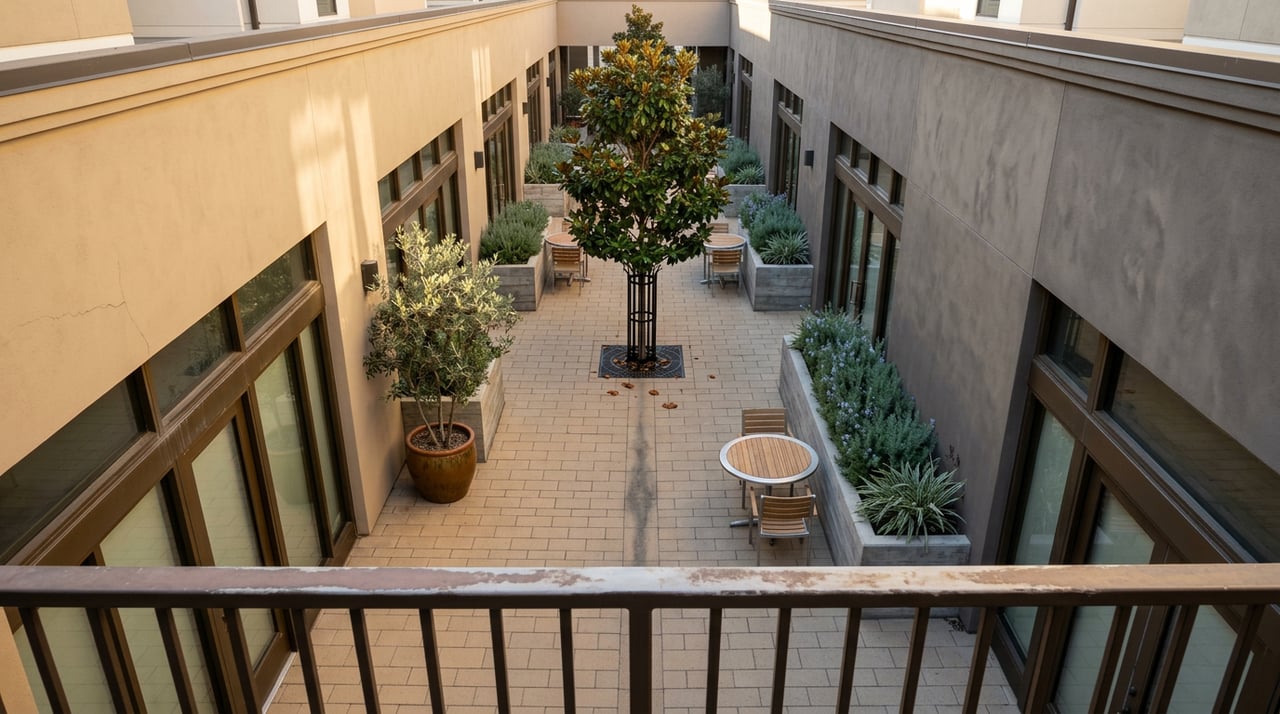
The Colony-era core, clustered around Sunken Gardens and the 1918 City Hall rotunda along El Camino Real, is where the town's Downtown Revitalization Plan has concentrated new mixed-use infill. The La Plaza project brought condos above ground-floor retail into a corridor already anchored by Colony Market & Deli and the Ancient Owl Beer Garden. Buying here often means restored colony-era bones or a newer condo layered above commercial space, with the trade-offs of downtown proximity rather than acreage.
The flats, running along El Camino Real and bordering Atascadero Creek and the Salinas River, hold the town's standard suburban tract housing. This is the zone where flood-zone status becomes a disclosure item that matters. Lenders check FEMA mapping along the creek and river corridors, and a seller here should have that documentation ready before the property hits the market, not after an inspection period starts the clock.
The oak-wooded west-side hills, subdivided in the original colony era, hold the multi-acre custom-home parcels with the ridge and valley views that draw buyers out of Atascadero's flats in the first place. Access, sun exposure, and vegetation cover vary lot to lot in ways that affect both what you can build and what you'll need to disclose. Properties in designated high or very high fire hazard severity zones typically need defensible-space compliance documentation as part of the sale, and vegetation work handled before listing tends to prevent the kind of escrow-stage surprise that stalls a closing. On the upside, large colony-scale lots carry real selling points buyers are actively seeking: room for a permitted accessory dwelling unit under the city's ADU stock plan program, space for a workshop, and enough acreage to support the kind of outdoor living that's hard to find closer to the coast.
What This Means If You're Weighing Atascadero Against Paso Robles or San Luis Obispo
The lot-size math is the honest reason Atascadero keeps showing up on the shortlist for buyers priced out of the coast or crowded out of SLO's tighter parcels. A hillside property with multi-acre grounds and ADU potential is a different asset than a similarly priced condo closer to the water, and for a buyer thinking about long-term flexibility, that difference is worth pricing carefully rather than assuming from a headline median.
The number you should actually be weighing isn't the one from a home-value estimator built to smooth out monthly noise. It's the closed-sale data from the weeks closest to your decision, read alongside which submarket of town the property sits in, because the flats, the downtown core, and the hills are transacting under three different sets of disclosure requirements and three different buyer pools.
A Few Questions Worth Asking Before You Read the Comps
If Zillow shows values down 3.5%, does that mean I have room to negotiate? Not necessarily. That figure is a mix-adjusted estimate across the entire housing stock, not a reading of what buyers are currently paying for homes actually on the market. The closed-sale data for the most recent 30 days is the more reliable gauge of live negotiating room, and as of late July 2026 it was pointing toward a seller's market, not a buyer's one.
How did a house sell $51,000 over asking in a market described as cooling? Strategic pricing on a property with genuine acreage appeal, in a town where buildable land is structurally limited, tends to produce multiple-offer outcomes regardless of what regional headlines say about inventory. The January sale on San Gabriel Road is a clean example of that dynamic.
Does the seller's-market read apply the same way in every part of Atascadero? No. The downtown core, the flats near the creek and river, and the west-side hills carry different disclosure obligations and attract different buyers, which means pricing strategy and preparation timelines should be built around the specific submarket, not the town-wide median.
If you're trying to figure out what a specific Atascadero property is actually worth right now, or how it stacks up against comparable listings in Paso Robles or San Luis Obispo, that's a conversation best had with someone reading the closed sales, not the estimator. Venture Real Estate works this exact stretch of North County and the Central Coast markets around it. Reach out and we'll walk through what the current numbers actually mean for your situation.