Wondering what daily life really feels like in Paso Robles wine country? If you are considering a move, a second home, or an investment in this part of San Luis Obispo County, you probably want more than tasting-room headlines. You want to know how the town functions day to day, what the housing mix looks like, and how people actually spend their time. Let’s dive in.
Paso Robles at a glance
Paso Robles describes itself as a suburban-rural community of more than 30,000 people, located roughly midway between San Francisco and Los Angeles. That location gives you a Central Coast lifestyle with practical regional access, while still feeling distinct from larger urban markets.
The setting also blends wine country and everyday convenience in a way that appeals to both full-time residents and buyers looking for long-term value. With more than 200 wineries nearby and beaches about 27 miles away, Paso Robles offers a lifestyle that can feel relaxed without feeling remote.
Climate shapes daily routines
One of the defining features of Paso Robles is its temperature swing from day to night. Travel Paso notes that the region sees a bigger day-to-night variation than many California wine regions, which has a real impact on how you plan your mornings, afternoons, and evenings.
NOAA station normals at the Paso Robles station show January average highs and lows around 61.9°F and 34.2°F. In July, average highs and lows are about 90.5°F and 53.4°F. In practical terms, you may start the day cool, warm up quickly in the afternoon, and still want an extra layer after sunset.
Downtown anchors everyday life
Downtown Paso Robles is not just for visitors. It is a real day-to-day gathering point, centered on City Park and the surrounding historic district. Travel Paso describes City Park as a central green space with a gazebo, playground, picnic tables, benches, and the Carnegie Library building, which now houses local archives and exhibits.
The Downtown Main Street organization calls the historic Downtown District and City Park the heart of Paso Robles, and that feels accurate when you look at how much daily activity converges there. Whether you are meeting friends, running errands, browsing local shops, or heading to the farmers market, downtown often becomes part of your weekly rhythm.
Another practical benefit is walkability within the core. Travel Paso notes that downtown tasting rooms pair naturally with shopping, dining, and exploring, so you can enjoy a full afternoon or evening without constantly getting back in the car.
Housing has variety and local character
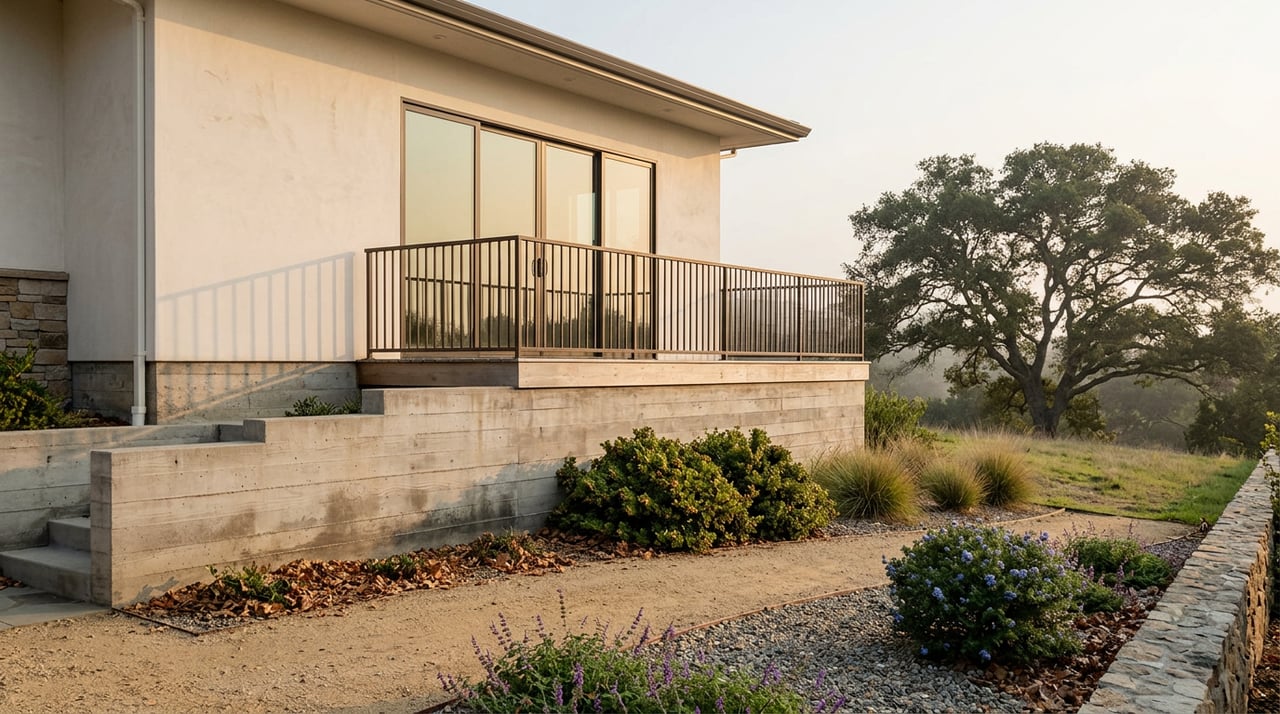
If you are thinking about buying in Paso Robles, one of the most useful things to understand is that the housing stock is not one-note. The city describes the market as a mix of new neighborhoods, homes with acreage, infill opportunities, and Victorian homes, which gives buyers several different ways to live depending on their priorities.
That variety also reflects the city’s development history. The historic survey identifies early residential landmarks from roughly 1885 to 1905, while the broader housing inventory includes Craftsman, Mission Revival, Spanish Colonial Revival, Colonial Revival, Tudor Revival, Ranch, Mid-Century Modern, and other vernacular styles.
For you as a buyer, that means Paso Robles can offer very different living experiences within the same city. Some properties lean into historic charm and established blocks, while others offer newer layouts, more uniform subdivisions, or larger parcels with more flexibility.
West Side, East Side, and growth areas
The city’s Housing Element helps explain how those patterns play out geographically. It notes that much of the infill capacity is in the Uptown and Town Centre area, where new housing is intended to fit the historic character of the West Side.
The East Side began developing in the late 1950s and is now largely made up of single-family subdivisions. Looking ahead, anticipated growth is planned on the eastern and southeastern edges through the Olsen-South Chandler Ranch and Beechwood specific plans.
That matters if you are comparing established areas with future growth zones. Some buyers want mature streets and historic context, while others prefer newer development patterns or want to watch where the city is expanding over time.
Lot sizes and flexibility
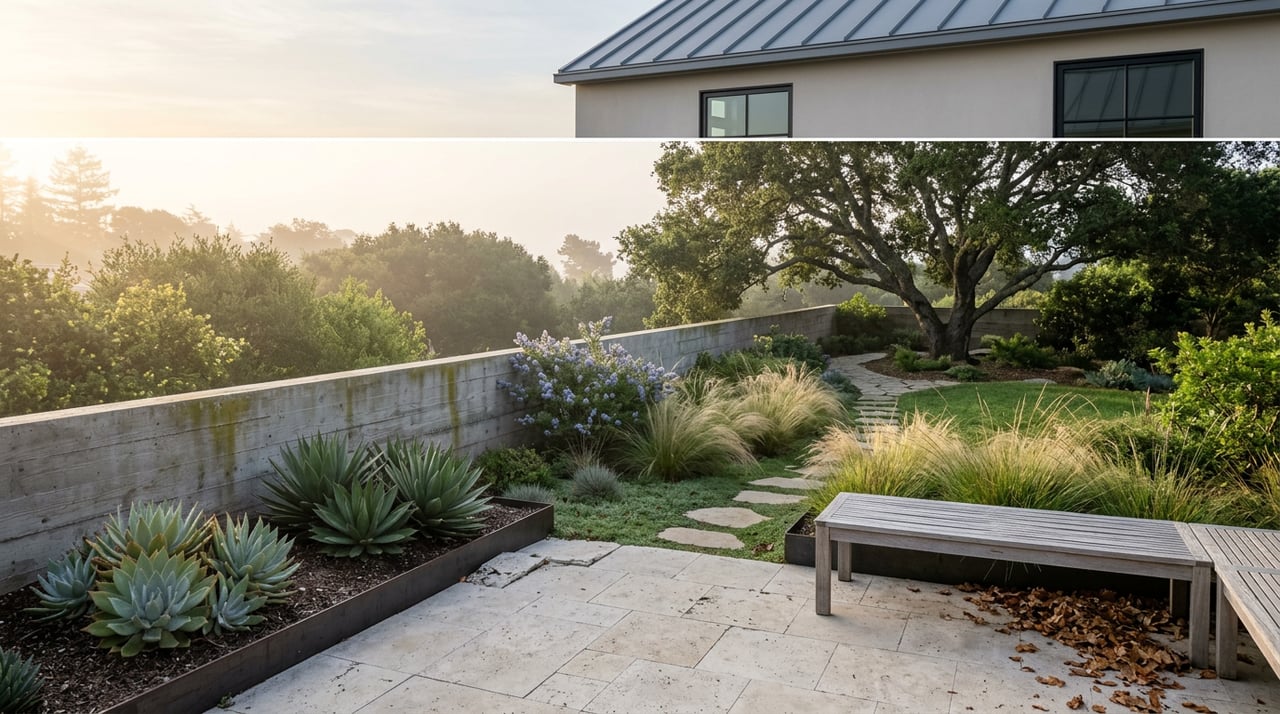
Paso Robles also stands out for buyers who want space. The Housing Element lists a 7,000-square-foot minimum lot size in the R-1 zone and notes no stated maximum density in AG and R-A zones. It also states that the city has ample acreages with relatively flat slopes.
The same document notes by-right allowances for accessory dwelling units and manufactured homes in many residential zones. Depending on the property and zoning, that may create useful flexibility for multigenerational living, guest space, rental planning, or long-term property strategy.
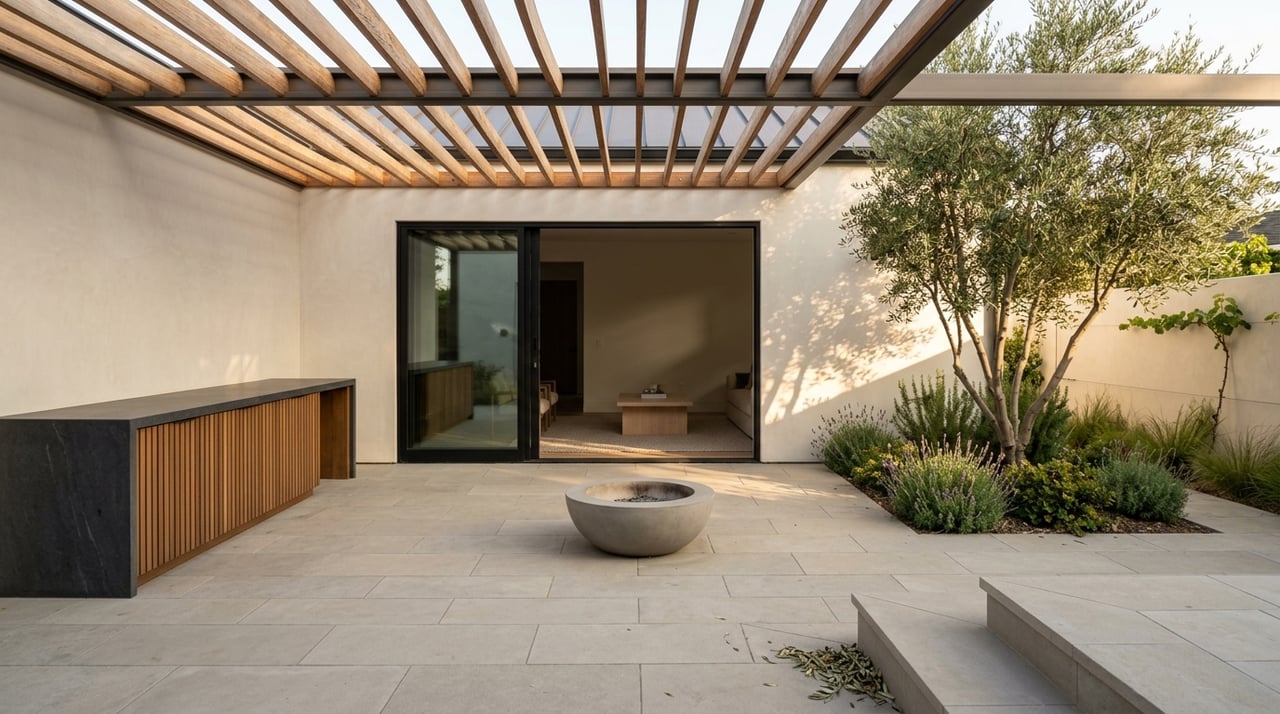
Outdoor living is part of the routine
In Paso Robles, outdoor time is not reserved for weekends. The city maintains 12 trails and walking paths, and public parks are open daily from 6 a.m. to 11 p.m. That makes it easy to work a walk, playground visit, or evening outing into your normal schedule.
Centennial Park is one of the most versatile recreation hubs in town. Its 16 acres include a gym, walking paths, an amphitheater, tennis courts, five pickleball courts, a community garden, and a summer pool.
Barney Schwartz Park offers sports fields, a lake, picnic areas, and a pump track, while Uptown Family Park serves the north end with a playground, garden, amphitheater, restrooms, and free community workshops. If your ideal home search includes easy access to parks and active spaces, these amenities are worth factoring into your area-by-area comparison.
Wine country is part of normal life
Paso Robles is known for wine, but for residents, wine country is often woven into ordinary routines rather than treated as a special occasion. Travel Paso highlights seven wine trails across the region and more than 20 tasting rooms in the Downtown Wine District, which gives you options for both quick outings and more structured weekends.
That can shape the way you entertain, explore, and spend time with visiting friends or family. You might stay local and walk downtown for a tasting, or you might build a day around one of the broader wine trails without needing a major travel plan.
Paso Robles also offers after-dark experiences tied to that same lifestyle. Sensorio adds an evening option with light art, local food, wine, and live music, creating another example of how the area blends agriculture, hospitality, and recreation into daily life.
Shopping, dining, and gathering spots
Dining in Paso Robles spans casual and chef-driven options, with notable clusters downtown and in Tin City. Official Travel Paso listings highlight places such as The Hatch, Tetto Rooftop Bar, Gravesend Wine Merchant & Eatery at Paso Market Walk, Enoteca, and the Eatery at Vina Robles.
Tin City adds another layer to the local food scene. Travel Paso describes it as home to a mix that includes Six Test Kitchen, food trucks, Negranti Creamery, and ETTO pasta, giving you a destination that feels different from the traditional downtown core.
Paso Market Walk also plays a meaningful role in everyday living. It is presented as a walkable, family-friendly mixed-use destination centered on farmers, ranchers, chefs, vintners, makers, and producers, which fits the town’s strong connection to local agriculture and regional food culture.
Community events keep the calendar full
A place feels more livable when there is a steady rhythm to the year, and Paso Robles offers that. The farmers market is held twice weekly on the downtown square, which gives residents a recurring reason to gather in the center of town.
Each July, the California Mid-State Fair brings concerts, carnival rides, livestock shows, and exhibits to the Paso Robles Event Center. For many households, events like these are not just attractions. They become part of the local routine that helps a town feel active and connected.
Everyday resources matter too
Lifestyle is important, but practical resources also shape how easy a town is to live in. The official Visitor Center is located in the Chamber lobby downtown and offers visitor guides, wine maps, tasting-room cards, attraction referrals, and community event flyers. That can be helpful when you are still getting oriented or hosting out-of-town guests.
The Paso Robles City Library at 1000 Spring Street is another useful community asset. The city says it offers eLibrary access, free computers and internet, art displays, storytimes, and access to the Black Gold shared catalog. Library cards require photo ID and proof of current mailing address.
Downtown Main Street also maintains a bike rack program and a historical walking tour app. These may seem like small details, but they add to the overall usability and texture of downtown living.
What Paso Robles living may suit best
Paso Robles tends to appeal to people who want a mix of space, local character, and lifestyle access. You may find it especially compelling if you want a home base that connects wine country, downtown convenience, outdoor recreation, and proximity to the coast.
From a real estate perspective, the city’s layered housing stock and range of lot patterns create options for different goals. Whether you are looking for a primary home, a property with acreage, or an opportunity that supports long-term value, Paso Robles offers more variety than many buyers expect at first glance.
If you are evaluating Paso Robles through both a lifestyle and property lens, local guidance matters. Working with a team that understands residential decisions, investment potential, and long-term ownership strategy can help you narrow the right fit with more confidence. When you are ready to explore Paso Robles opportunities, connect with Anthony Aurignac.
FAQs
What is everyday life like in Paso Robles, California?
- Everyday life in Paso Robles blends a suburban-rural setting, a walkable downtown core, wine country access, public parks and trails, and a steady calendar of markets and community events.
What is the weather like in Paso Robles wine country?
- Paso Robles has notable day-to-night temperature swings, with NOAA normals showing average January highs and lows around 61.9°F and 34.2°F, and July averages around 90.5°F and 53.4°F.
What types of homes can you find in Paso Robles?
- Paso Robles offers a mix of newer neighborhoods, homes with acreage, infill housing, Victorian-era residences, and styles ranging from Craftsman and Spanish Colonial Revival to Ranch and Mid-Century Modern.
What are some popular things to do in Paso Robles?
- Residents can enjoy downtown tasting rooms, seven regional wine trails, city parks, walking paths, the farmers market, Tin City, Paso Market Walk, and seasonal attractions like the California Mid-State Fair.
Is downtown Paso Robles walkable for daily activities?
- Downtown Paso Robles supports walkable outings around City Park, tasting rooms, shops, dining, and community spaces, making it a practical part of everyday life for many residents.
Are there parks and recreation options in Paso Robles?
- Yes. The city maintains 12 trails and walking paths, and recreation options include Centennial Park, Barney Schwartz Park, and Uptown Family Park, along with daily park access from 6 a.m. to 11 p.m.