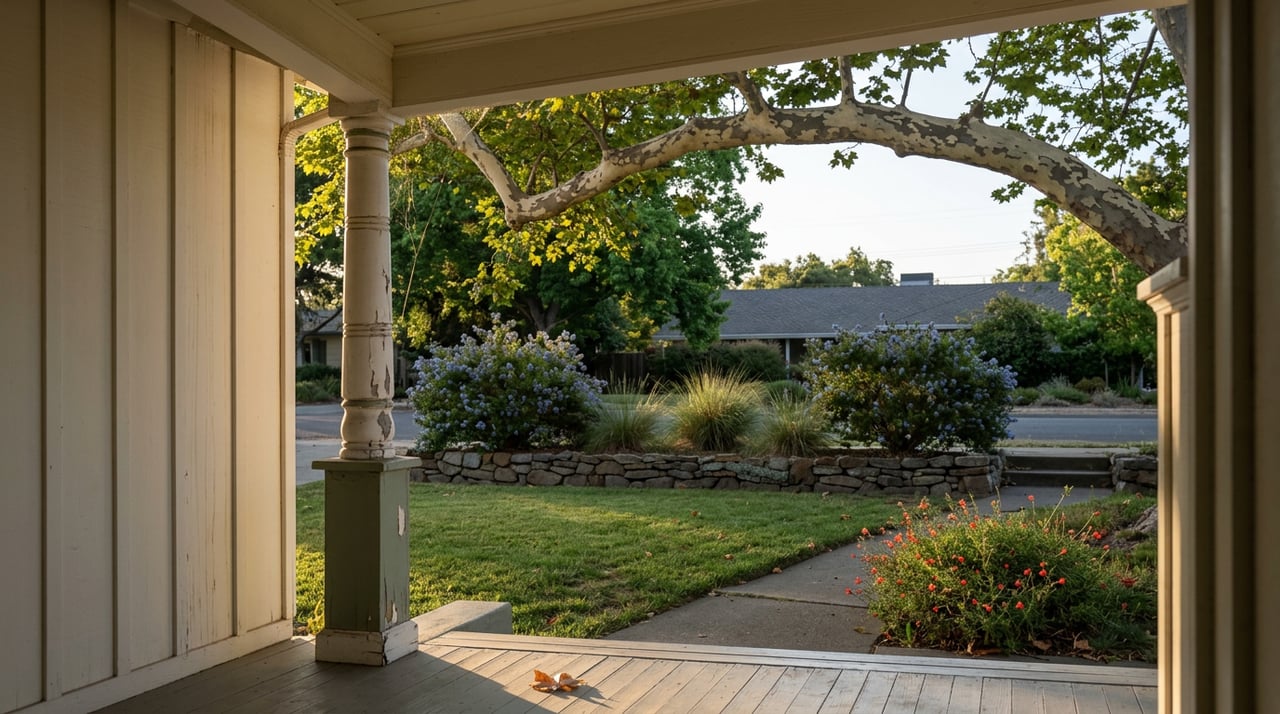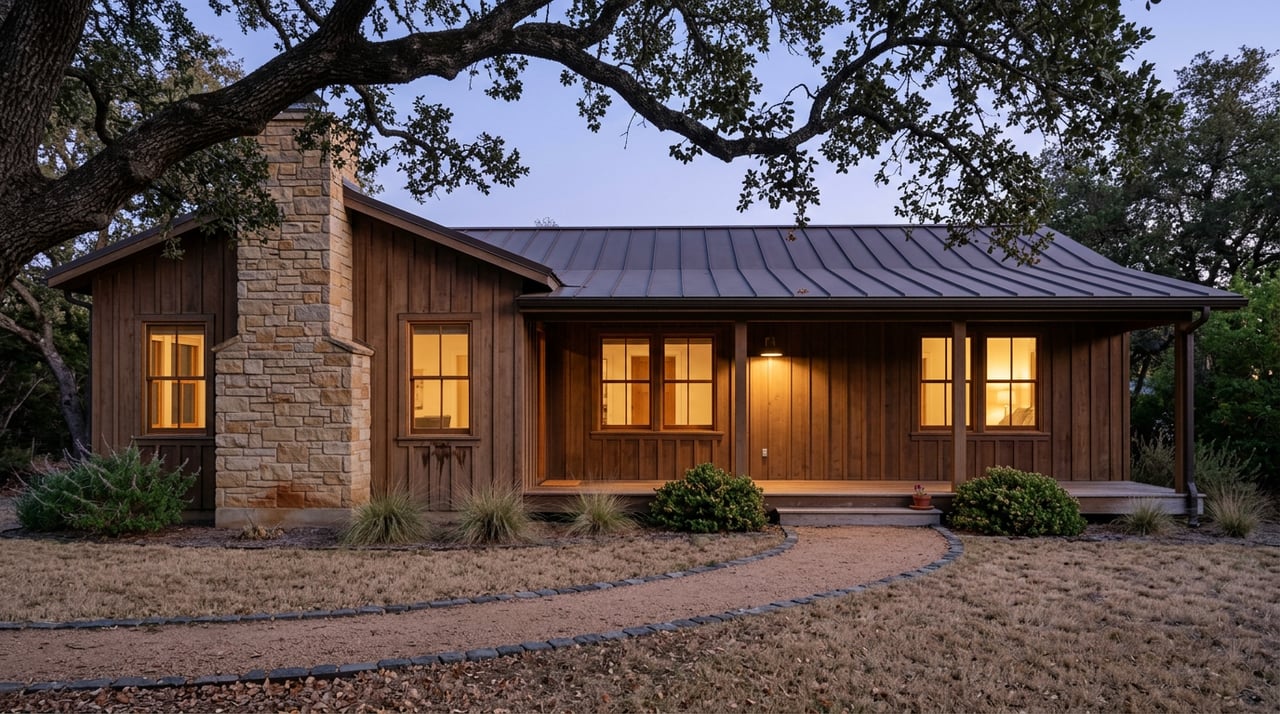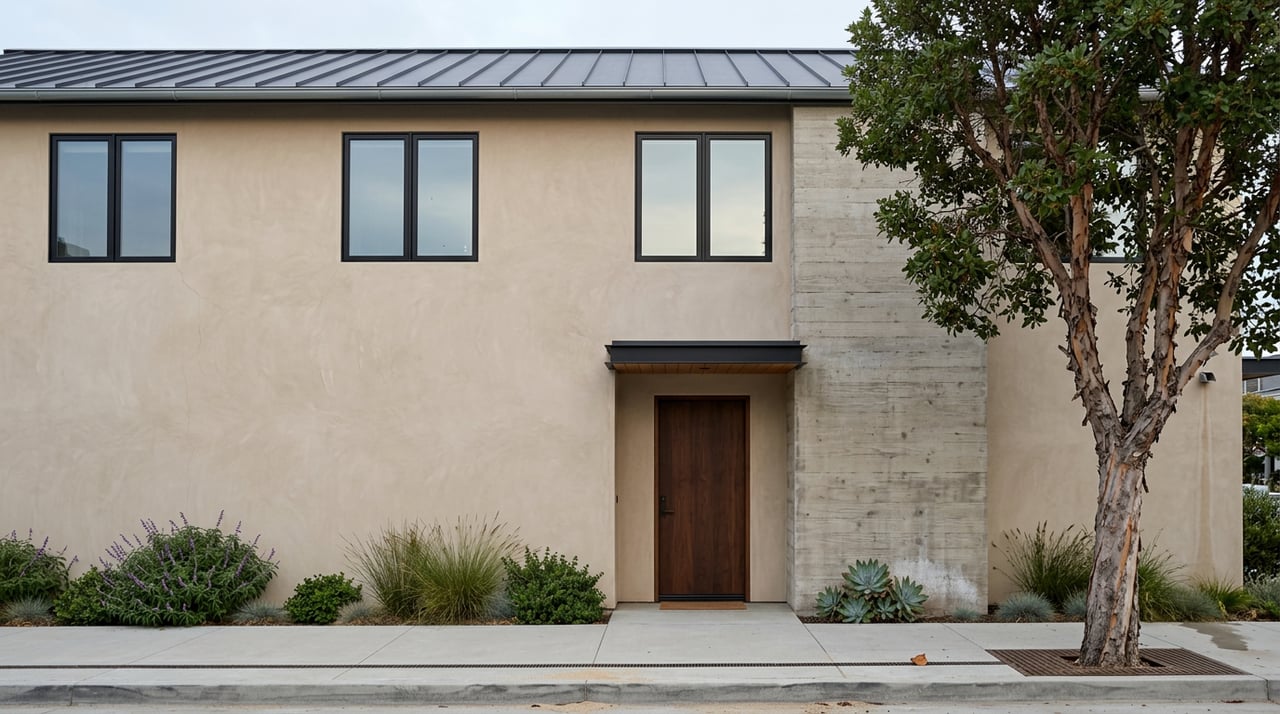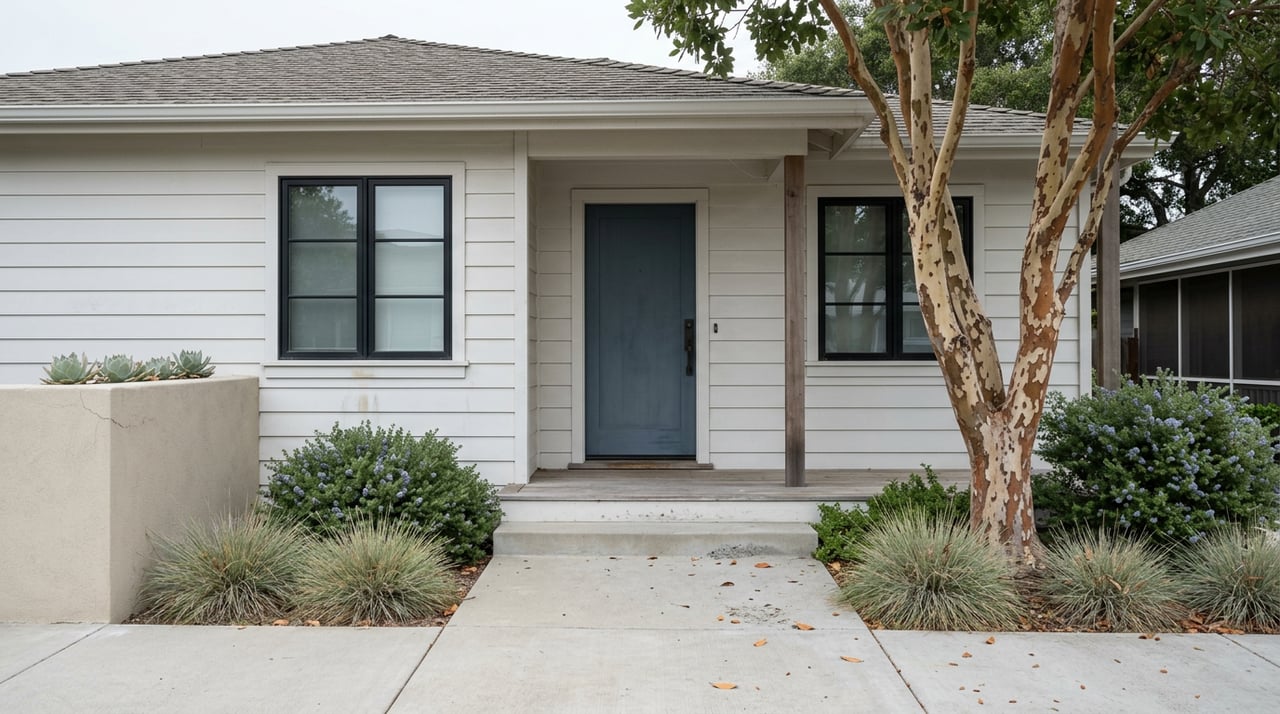
Two homes come on the market within a few blocks of each other in Pismo Beach. Similar square footage, similar vintage, similar asking price near the $1.4 million median the city has been running this year. One of them can plausibly earn six figures a year as a short-term rental. The other, despite looking just as beach-ready, may never legally host an overnight guest for less than a month, no matter what the seller tells you it "used to do." The difference has nothing to do with the house. It has to do with a line the city drew on a zoning map in 2023, and a rule almost nobody asks about until they're already in escrow.
That rule is simple to state and easy to miss: a Pismo Beach short-term rental license belongs to the person who holds it, not the parcel it sits on. When the house sells, the license does not come with it.
What Changed On November 7, 2023
Before the fall of 2023, short-term rentals in Pismo Beach's residential neighborhoods had grown the way they have in most coastal California towns: informally, then quickly, then contentiously. The City Council responded with Ordinance O-2023-006, adopted that November, which drew a hard line under the number of residential short-term rental and homestay licenses in circulation. At adoption there were 28 licensed STR or homestay properties in the city. That is the ceiling. The city has not issued a new residential STR license since, and the ordinance gives no indication that it plans to.
Existing license holders can keep renewing. Every license expires September 30, and renewal requires the prior 12 months of rental activity and proof of lodging tax payments. For the first two years after a license is issued, the city conducts an annual life-safety inspection. After that, inspections happen only if a complaint triggers one. But none of that helps a buyer who doesn't already hold one of the 28.
The License Rides With the Person, Not the Property
Here is the part that catches people off guard mid-transaction. The city's own FAQ answers the transfer question directly: permits do not transfer with the sale of a property. A license is personal to the operator, and the ordinance requires that operator to be an individual owner or trustee, not a corporation or LLC. So if you're buying a home in a residential zone that is currently operating as a licensed STR, you are not buying the right to continue that operation. You're buying a house that, as of closing, loses its short-term rental license, in a city that is not issuing new ones to replace it.
There is one path that survives ownership change in a residential zone: the homestay. If you plan to live in the home as your primary residence for more than half the year and rent bedrooms while you're present, you can apply as a homestay operator. That's a real option for an owner who wants supplemental income from a primary home, but it is not the same business as a whole-home rental generating July revenue while the owner is elsewhere.
The one place this dynamic doesn't apply is the commercial and mixed-use core. Vacation Rentals in zones like C-1, RR, R-4, and the CD-C, CD-M, and CD-V downtown designations are a separate category from STRs, and the city currently has no waitlist for new VR permits in those zones. A buyer purchasing a condo or small building in the eligible commercial core can apply fresh, on their own timeline, without depending on whatever the seller held.
That is the actual shape of the market. Two categories of Pismo Beach property that look similar on a listing sheet: one where short-term rental income requires you to already be one of a fixed, shrinking, non-transferable set of license holders, and one where the door stays open to any qualified new owner.
What the Licensed Units Are Actually Worth Operating
For the properties where STR or VR income is genuinely available, the numbers explain why buyers keep circling this market. Rabbu's investor data for Pismo Beach, pulled from trailing 12-month performance, shows average daily rates around $329, with July averaging roughly $6,531 in monthly revenue during the strongest stretch of the season. Bedroom count changes the math sharply:
| Bedrooms | Annual STR Revenue |
|---|---|
| 2-bedroom | $46,406 |
| 3-bedroom | $58,112 |
| 4-bedroom | $91,300 |
Only six four-bedroom listings exist in the active Pismo Beach short-term rental supply, out of 131 active listings total. That scarcity is the point. A licensed four-bedroom home in this market isn't earning nearly double a two-bedroom because it's twice the house. It's earning that because there are almost none of them, and the city has made it structurally impossible to build more of that specific supply through new licensing.
None of this shows up in a median home price. The $1.4 million figure Pismo Beach has posted over the three months ending in May 2026, or the roughly $1.12 million average home value reported for the city this year, describes the real estate. It says nothing about which of those homes can legally generate nightly income and which cannot.
The Cost Side Buyers Underprice
Anyone underwriting a Pismo Beach STR or VR purchase needs the full cost stack, not just the revenue side. Guests pay approximately 14.5 percent in combined lodging taxes and assessments on top of the nightly rate: 11 percent Transient Occupancy Tax, 2 percent for the Lodging Business Improvement District, and 1.5 percent for the county's Tourism Marketing District. The operator collects and remits all of it monthly.
Violations carry real teeth. A first offense runs a minimum $1,500 fine, a second within a year jumps to $3,000, and each subsequent violation in that window costs $5,000, with every rental night in violation potentially counted separately. Advertising an unlicensed property, even briefly, triggers the same fine structure. Given that enforcement is largely complaint driven, a licensed operator with a responsive, locally based contact on file has real protection an unlicensed one doesn't.
Before You Remove Contingencies
If you're buying with short-term income in mind, treat the license question as its own line item in due diligence, separate from inspection and appraisal.
Confirm the zone first. A residential zone means you are relying on either an existing, currently active license that will not follow you into ownership, or a homestay arrangement that requires you to live there. A qualifying commercial or mixed-use zone means you can apply as a new owner without depending on prior use.
Ask the seller for the actual license number and current status, not just a claim that the home "rents well." Verify it against the city's own list of licensed addresses rather than taking a listing description at face value.
If continuing STR income in a residential zone is central to your offer price, call the Planning Division directly before you remove contingencies. The ordinance and the city's public guidance are clear that licenses don't transfer and new residential licenses aren't being issued. What isn't spelled out anywhere is a guaranteed path for a new owner to restart STR use at a formerly licensed address, so don't assume one exists. Confirm it in writing.
If You're Selling an Income Property
For a seller in the qualifying commercial core, the path is straightforward: gather your business license, TOT certificate, and the trailing 12 months of rental and tax records. A buyer applying fresh for a VR permit benefits from seeing exactly how the unit has performed, and clean documentation shortens their own underwriting.
For a seller in a residential zone whose home currently holds one of the finite STR licenses, be direct with buyers about what does and doesn't survive closing. Marketing the home purely on trailing STR revenue sets up a value the buyer legally cannot inherit. The stronger pitch separates the two stories: what the real estate is worth as a home or long-term rental, and what the existing license has been worth to you as an operator, understanding that the second value effectively ends at the closing table unless the buyer qualifies as a homestay operator in your place.
A Few Questions Worth Settling Early
Does a Pismo Beach STR or VR license transfer when the property sells? No. The city states directly that permits do not transfer with a sale. A new owner in a qualifying commercial zone can apply for a new VR permit. A new owner in a residential zone cannot get a new STR license, because the city isn't issuing them.
Can I apply for a brand-new short-term rental license in a residential neighborhood right now? No. Ordinance O-2023-006 capped residential STR and homestay licenses at the 28 that existed at adoption in November 2023, and the city has not resumed new issuance since.
What's the practical difference between a Vacation Rental and a Short-Term Rental here? A Vacation Rental operates in commercial and mixed-use zones like C-1, RR, and R-4, doesn't require owner occupancy, and currently has no waitlist for new applicants. A Short-Term Rental operates in residential zones, requires the license itself to have existed since 2023, and is capped with no new supply being added.
If you're evaluating a Pismo Beach property with income in mind, the zoning map and the license list matter more than the square footage. That's the kind of detail worth a conversation before you write an offer, not after. Venture Real Estate works this market from the investor's side of the table every day, and we're glad to walk through what a specific address can and cannot legally do before you commit to a price built on assumptions the city won't back up.