If you own multifamily property in San Luis Obispo, value-add can still work, but the old playbook needs an update. In a market with high housing costs, a renter-heavy population, and softer apartment performance in the near term, the smartest moves are often practical rather than flashy. If you are thinking about renovations, repositioning, or a future sale, this guide will help you focus on the upgrades that can protect NOI, improve leasing, and support long-term value. Let’s dive in.
Why value-add looks different now
San Luis Obispo remains a rental-heavy market. The City says renters make up more than 60% of the population, which supports the long-term importance of multifamily housing. At the same time, current operating conditions call for discipline, not assumptions.
In Q1 2026, Lee & Associates reported apartment asking rent at $2,241 per unit, vacancy at 9.8%, average sale price at $293,222 per unit, and an average cap rate of 5.52%. Zillow also reported a citywide average rent of $3,352 in April 2026, but that figure blends multiple housing types. For owners, the takeaway is simple: underwrite against true multifamily comps, not broad citywide rent averages.
Recent supply has also changed the landscape. Lee reported that new deliveries have outpaced demand and that higher-end properties are currently softer than mid-tier assets. That means a luxury-heavy renovation plan may not produce the return you expect, especially if it pushes your property beyond its natural renter pool.
Focus on NOI, not just finish level
One of the most useful ways to think about value-add in San Luis Obispo is through NOI. At a 5.52% cap rate, every additional $1,000 in annual NOI can translate to about $18,116 in value. That makes even modest, repeatable gains worth serious attention.
Instead of asking, "What can I renovate?" start with a better question: "What improves income, lowers expense, reduces turnover, or unlocks legal rentable space?" That shift usually leads to clearer decisions and better capital allocation.
Start with safety and code compliance
Before you spend on cosmetic upgrades, handle the basics. San Luis Obispo’s Safe Housing Program and Code Enforcement standards require landlords to maintain electrical, mechanical, plumbing, heating, roofing, walls, windows, doors, smoke detectors, and carbon monoxide systems in working condition. The City also investigates unpermitted construction, illegally converted garages, and substandard housing.
This matters for two reasons. First, deferred maintenance can hurt leasing, increase repair costs, and create avoidable risk. Second, code and habitability issues can derail a broader value-add plan if they surface late in the process.
A smart first-pass checklist often includes:
- Electrical and panel review
- Plumbing leaks and drain performance
- Water heater and heating system condition
- Roof, window, and door integrity
- Smoke and carbon monoxide detector compliance
- Review of any past unpermitted work
If your property has hidden compliance issues, fixing them early can protect both operations and future saleability.
Target utility savings that flow to the bottom line
Utility savings are one of the most overlooked value-add tools in this market. San Luis Obispo adopted higher water and sewer rates effective July 1, 2025 and July 1, 2026. For multifamily accounts, volumetric water rates rose to $10.11 and then $10.67 per unit, while sewer rates rose to $10.46 and then $11.14 per unit, plus base-fee increases tied to meter size.
That makes water efficiency more than a maintenance issue. It is now a direct NOI strategy. In many cases, reducing waste can produce a cleaner return than overspending on finishes.
Practical improvements may include:
- Leak detection and repair
- Low-flow plumbing fixtures
- Irrigation controls
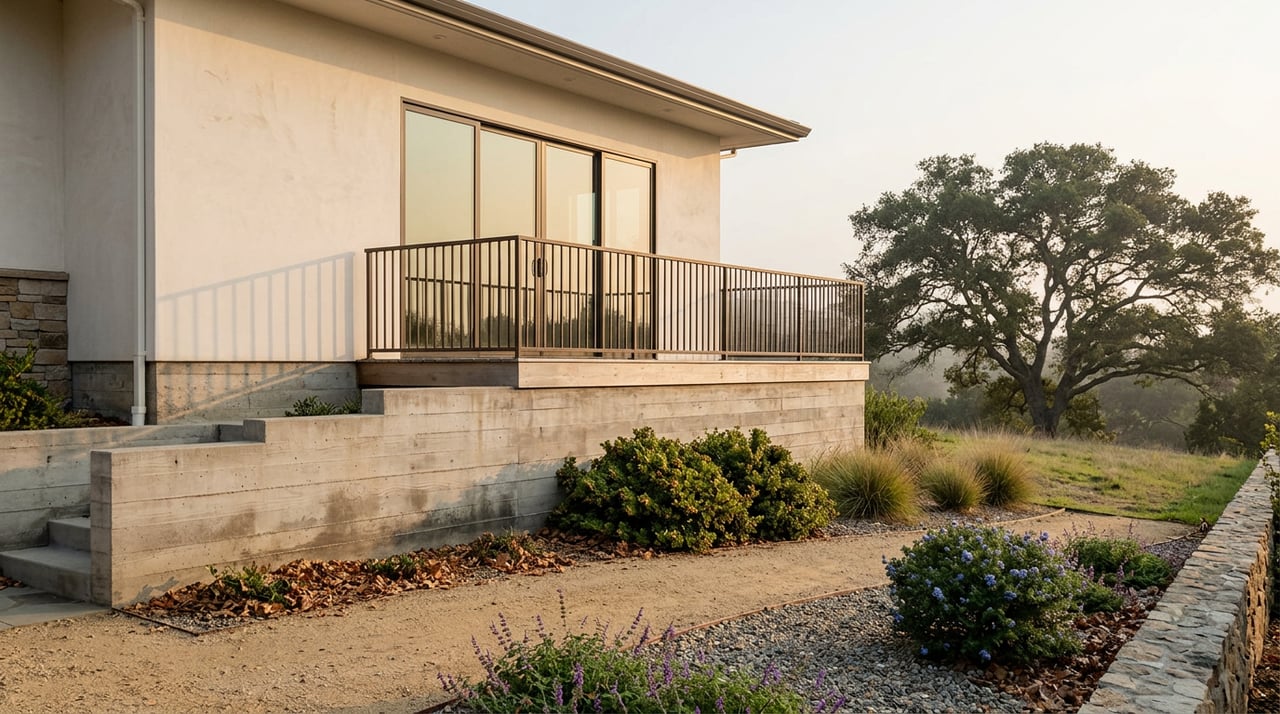
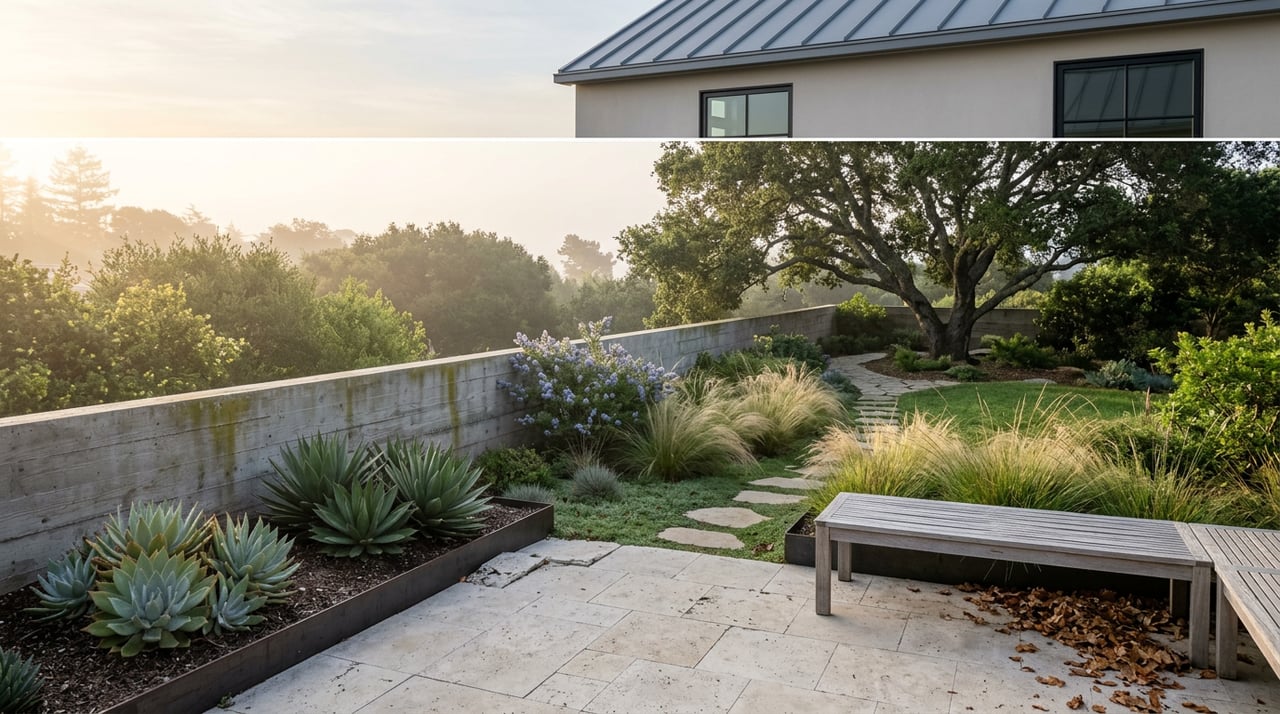
- Landscape changes that reduce water demand
- Preventive maintenance on older plumbing systems
These upgrades may not be glamorous, but they can lower recurring expense without depending on aggressive rent growth.
Choose mid-tier unit upgrades carefully
In the current San Luis Obispo market, the most defensible unit improvements are usually functional, durable, and supported by comparable properties. Because higher-end assets are softer than mid-tier properties right now, many owners are better served by thoughtful refreshes rather than luxury overbuilds.
That can mean focusing on improvements renters notice in daily use. Better lighting, refreshed kitchens and baths, durable flooring, fresh paint, and in-unit laundry where feasible often make more sense than chasing top-of-market finishes. The goal is to improve lease-up and retention while staying aligned with your asset class.
A practical unit-refresh plan may prioritize:
- Durable countertops and cabinet updates
- Modern but cost-conscious bath improvements
- Improved lighting and hardware
- Flooring that holds up to turnover
- In-unit laundry if layout and utilities allow
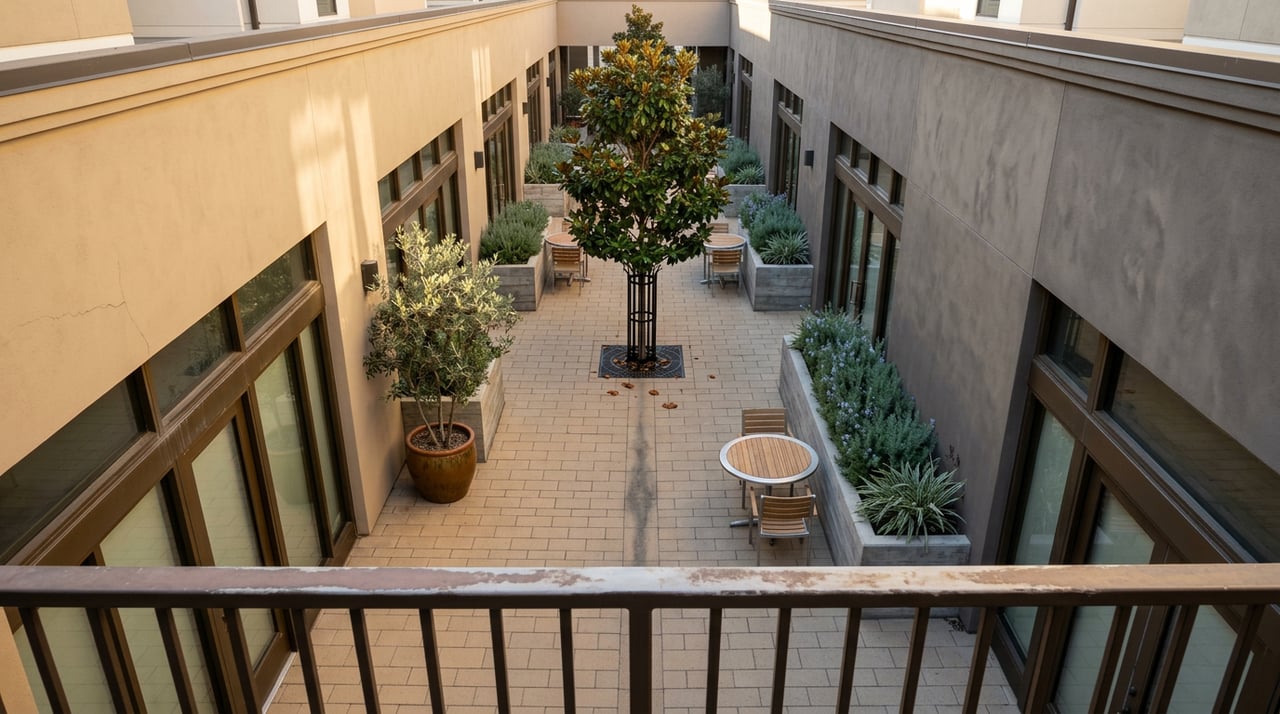
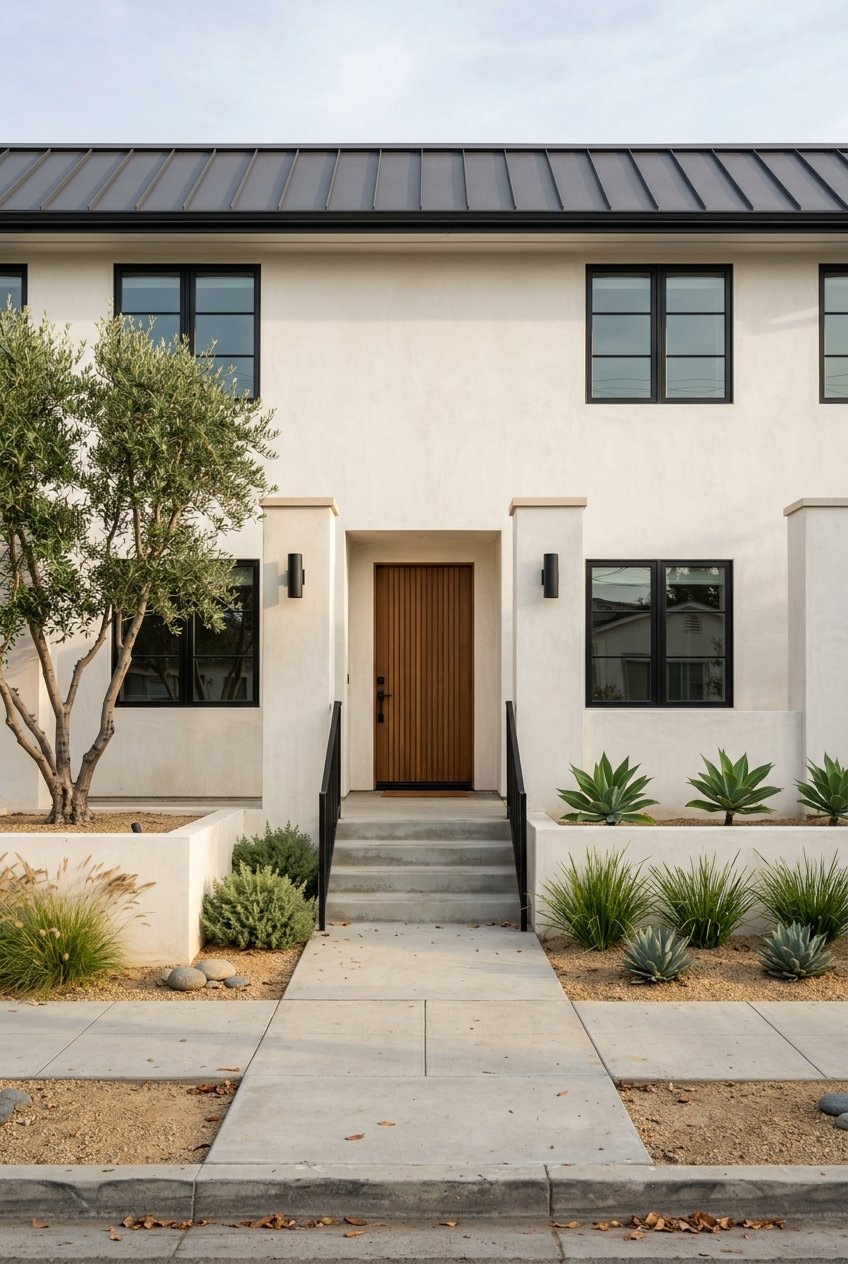
- Clean, well-kept common areas and exterior presentation
In this market, the question is not whether an upgrade looks impressive. It is whether the upgrade supports absorption, retention, and sustainable rent positioning.
Use turnover strategically
For many owners, the real economics of value-add depend on tenant turnover strategy. Under California’s Tenant Protection Act, covered units generally have annual rent-increase limits of 5% plus CPI or 10%, whichever is lower, and increases are limited to two increments in a 12-month period. When a covered unit turns over, the rent can be reset to market rate for the new tenancy.
That structure makes turnover planning important. If you are holding a property long term, targeted rehab at turn can be one of the clearest paths to improved income. At the same time, unnecessary churn has a cost, so retention still matters.
The best approach is usually balanced:
- Retain solid tenants when turnover cost outweighs upside
- Upgrade units at natural turnover when the rent reset supports the investment
- Avoid assuming large in-place increases will carry the whole business plan
This is also where compliance matters. For covered tenancies, just cause is generally required after 12 months. In no-fault termination cases, relocation assistance or a final-month rent waiver equal to one month of rent may be required. Substantial remodel rules are also tighter now. The work must require a permit, require the tenant to vacate for at least 30 consecutive days, and cannot be merely cosmetic.
Consider legal unit additions and legalization
If your site supports added rentable space, that can be one of the strongest value-add levers available. In San Luis Obispo, the City has a streamlined AB2533 process for legalizing certain unpermitted ADUs and JADUs built before January 1, 2020, and the City states that legalization can enhance value.
This opportunity can be meaningful, but it should be approached with full cost and timing awareness. Planning review can take roughly 4 to 12 weeks once a complete application is submitted, depending on the project type. Some projects may also require environmental review or additional hearings.
Owners should also watch for hidden scope. San Luis Obispo requires private sewer lateral inspections at the owner’s expense in certain cases, including adding an ADU, increasing meter size, adding a bedroom, bathroom, or kitchen, or submitting certain building permits. If you are underwriting a unit addition or legalization plan, that inspection should be treated as a normal budget item.
Budget for permitting and timeline risk
A strong value-add plan is not just about renovation cost. It is also about downtime, approvals, and compliance. In San Luis Obispo, building permits are valid for 180 days and can be extended with approved progress inspections. That sounds straightforward, but project delays can still affect carrying costs and lease-up timing.
For that reason, owners should underwrite a realistic schedule. If your plan depends on added units, heavy remodel work, or any kind of legalization, permit timing and inspection requirements can shape the actual return as much as the construction itself.
A simple value-add framework for San Luis Obispo
If you want a clean way to prioritize capital, this sequence fits the current local market:
- Safety and code items
- Utility and maintenance savings
- Comp-supported unit refreshes
- Legal unit additions or legalization
- Discretionary amenities only when rent premium is clear
This order matches today’s conditions. It respects the City’s habitability expectations, the realities of planning and permit timelines, and the current market preference for practical mid-tier performance over luxury flash.
What owners should ask before spending
Before you move forward on any value-add project, pressure-test the plan with a few key questions.
- Will this increase rent based on actual multifamily comps?
- Will this reduce operating expense in a measurable way?
- Will this lower turnover or improve leasing speed?
- Will this unlock legal rentable space?
- What permits, inspections, or compliance costs apply?
- How much downtime will the work create?
If the answer is unclear, the investment may need to be reworked. In a market with elevated vacancy, good value-add is usually about precision, not volume.
The bottom line for San Luis Obispo owners
San Luis Obispo still offers meaningful upside for multifamily owners, but the best strategies today are grounded in operations, compliance, and realistic underwriting. Mid-tier unit refreshes, utility savings, lawful turnover planning, and legal space optimization tend to be more reliable than expensive cosmetic overreach.
If you are evaluating whether to renovate, hold, refinance, exchange, or sell, it helps to look at the property through both an owner and buyer lens. That is where local market context really matters. If you want help thinking through the next move for your asset, connect with Anthony Aurignac for strategic guidance rooted in San Luis Obispo multifamily experience.
FAQs
What value-add upgrades make the most sense for San Luis Obispo multifamily owners?
- In the current San Luis Obispo market, the most defensible upgrades are often safety and code repairs, water-saving improvements, durable kitchen and bath refreshes, better lighting, and in-unit laundry where feasible.
How does California rent control affect San Luis Obispo multifamily value-add plans?
- For covered units, California’s Tenant Protection Act limits ongoing rent increases, so many owners rely on lawful market-rate resets at turnover, targeted rehab at turn, and retention strategies that reduce churn costs.
Should San Luis Obispo owners invest in luxury apartment renovations right now?
- Current local data suggests caution, because higher-end properties have been softer than mid-tier assets, which means practical, comp-supported upgrades may be a better fit than luxury overbuilds.
Can legalizing an ADU add value to a San Luis Obispo multifamily property?
- It can, especially where the City’s AB2533 process applies to qualifying unpermitted ADUs or JADUs built before January 1, 2020, but owners should budget for permits, inspections, and possible sewer-lateral requirements.
What local costs should San Luis Obispo multifamily owners watch when underwriting renovations?
- Water and sewer rate increases, permit timing, sewer-lateral inspections, downtime during construction, and any required compliance work should all be built into the underwriting from the start.