If Santa Barbara feels hard to pin down, that’s because it is. This is not one uniform coastal city, and buyers often find that a few miles can completely change the pace, setting, and housing feel of daily life. If you are trying to understand where you might fit best, this guide will help you sort Santa Barbara by lifestyle, location, and neighborhood character so you can search more strategically. Let’s dive in.
Why Santa Barbara feels so distinct
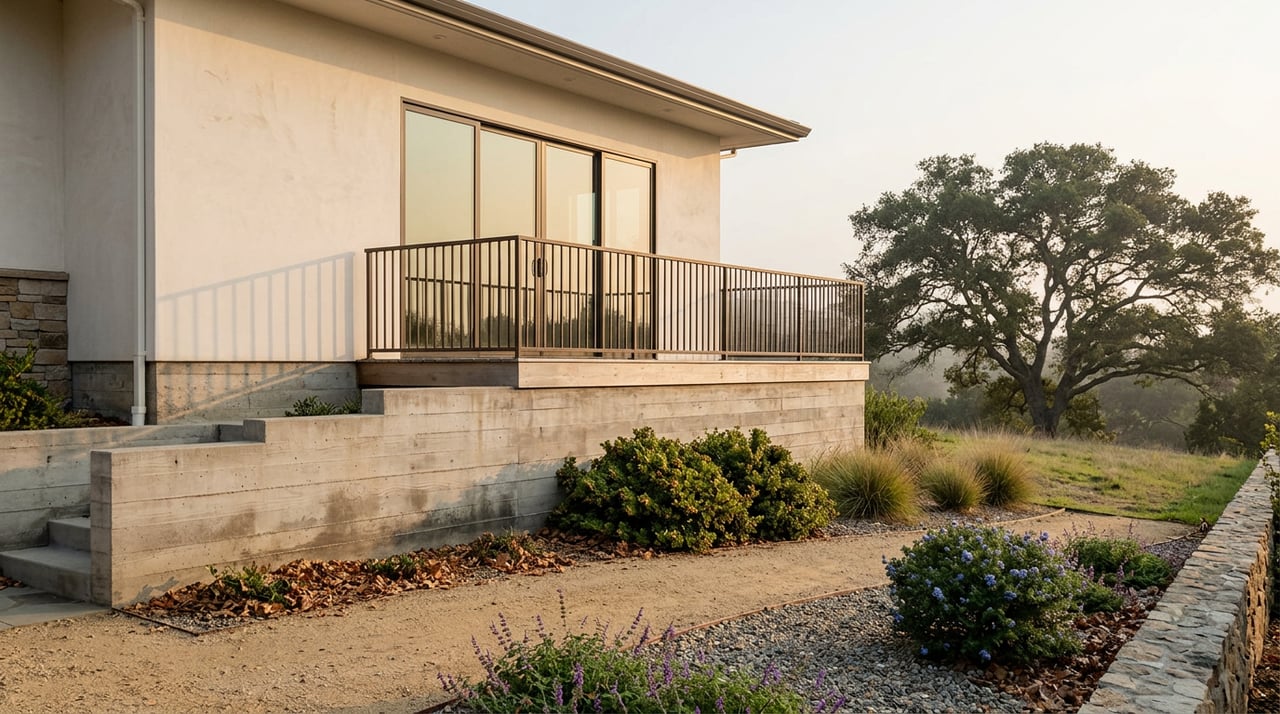
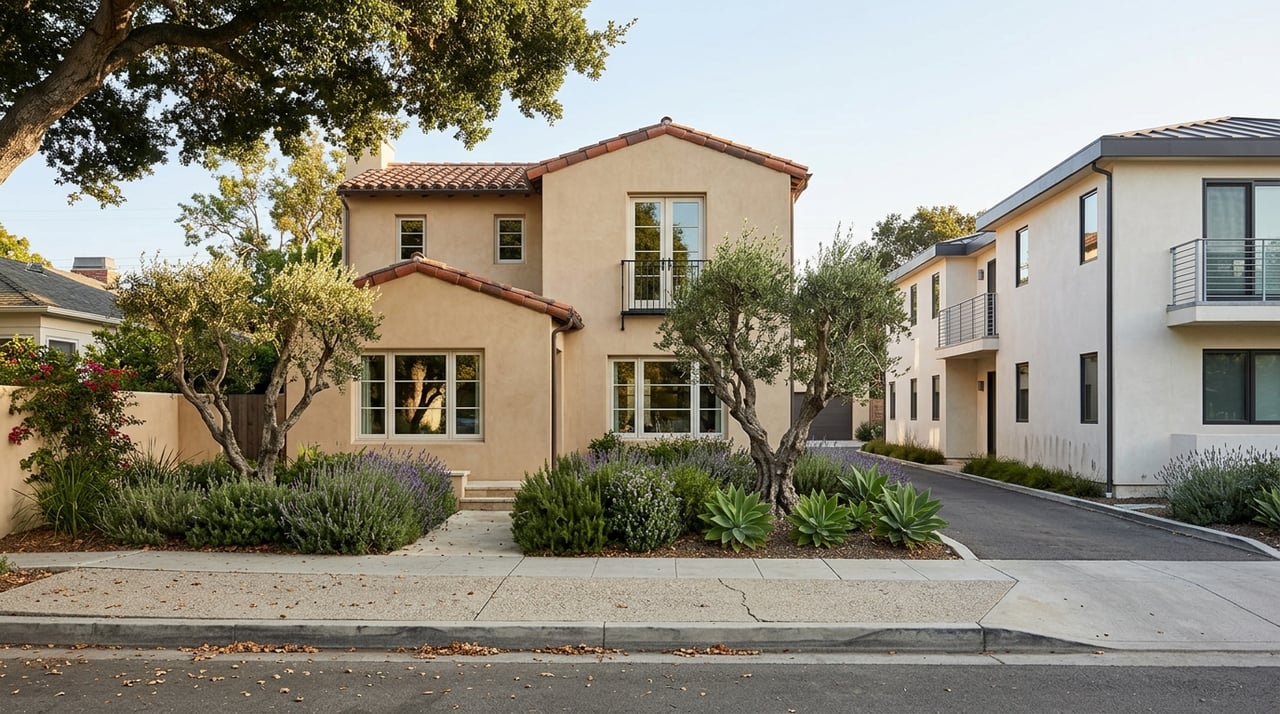
Santa Barbara’s neighborhood identity is shaped by its mountain-to-sea setting and a strong preservation ethic. Across the city, Spanish Colonial Revival and Mediterranean Revival buildings sit alongside Craftsman, Mission Revival, Victorian, Tudor Revival, and other period styles that reflect different chapters of local history.
That architectural variety is not just visual. The City of Santa Barbara uses historic districts and resource surveys to help protect neighborhood character, which means each area tends to hold a more defined sense of place over time. For you as a buyer, that often makes Santa Barbara easier to understand through everyday lifestyle patterns rather than a simple map.
Start with lifestyle, not just boundaries
A practical way to narrow your search is to decide what kind of day-to-day setting matters most to you. In Santa Barbara, the biggest dividing lines often come down to beach access, walkability, hillside topography, and how urban or residential an area feels.
A simple framework can help:
- Beach-first: West Beach, East Beach, and the Mesa
- Walkable and historic: Downtown, the Presidio, and El Pueblo Viejo
- View-oriented and tucked away: Lower Riviera and parts of Upper East
- Established residential pockets: San Roque, Westside, and Eastside
Once you know which of those categories fits your priorities, the city becomes much easier to navigate.
Beach neighborhoods in Santa Barbara
West Beach
West Beach sits just west of Stearns Wharf and directly below downtown. It offers one of the clearest combinations of sandy shoreline access and close proximity to the city center, with the harbor and Los Baños Pool nearby.
If you want to stay near the sand without feeling far from restaurants, shops, and downtown activity, West Beach stands out. It is also an area known for public events, so the overall feel can be active and connected to the waterfront.
East Beach
East Beach has a broad sandy coastline paired with a grassy park setting and rows of palm trees. The area also includes volleyball courts, playground areas, lifeguard stations, restaurants, and a bike path, creating a more activity-driven outdoor environment.
Compared with West Beach, East Beach tends to read as a bit more park-oriented. If your ideal setting includes open recreation space and a strong connection to outdoor amenities, this area may feel like a natural fit.
The Mesa
The Mesa stretches from the harbor area toward Arroyo Burro Beach and is defined by coastal bluffs, ocean views, and several beach access points, including Mesa Lane and Thousand Steps. City planning materials describe it as predominantly single-unit housing, with a commercial center dividing East Mesa and West Mesa.
That combination gives the Mesa a more residential bluff-top rhythm than the denser waterfront corridor. If you are drawn to coastal scenery but want a neighborhood that feels more lived-in and less visitor-focused, the Mesa often lands high on the list.
Funk Zone and waterfront fringe
The Funk Zone sits between downtown and the waterfront and has evolved from former warehouse and industrial uses into a walkable district with galleries, tasting rooms, dining, and arts-related uses. Nearby, the Harbor and Stearns Wharf reinforce the area’s boating and recreation identity.
This part of Santa Barbara is best understood as lively and mixed-use rather than quiet and residential. If you like being near energy, activity, and a strong social scene, it may appeal to you. If you want a calmer residential cadence, you may prefer to look elsewhere.
Walkable and historic districts
Downtown Santa Barbara
Downtown Santa Barbara is organized around State Street, plazas, and paseos, and it is widely recognized as a highly pedestrian-friendly area. For buyers who value walking access and an urban everyday experience, downtown offers one of the city’s clearest fits.
This is where convenience and activity tend to lead the experience. If you picture stepping out for coffee, dining, shopping, or errands without relying heavily on a car, downtown deserves close attention.
Presidio and El Pueblo Viejo
Within the historic core, the Presidio neighborhood is known for restored adobes, architecturally significant buildings, and small family-run businesses. El Pueblo Viejo preserves central historic character, including the area around the Mission.
For buyers who care about Santa Barbara’s architectural story and a sense of place tied to history, this part of the city is especially compelling. The appeal here is less about uniformity and more about living within one of Santa Barbara’s most established and visually distinctive settings.
Hillside and view-oriented areas
Upper East
Upper East sits just east of downtown and includes Mission-adjacent landmarks such as the Santa Barbara Mission, the A.C. Postel Rose Garden, and the Museum of Natural History area. The neighborhood is described as having large, historically or architecturally significant homes on landscaped lots, with access to downtown by walking, biking, or transit.
For you, that can mean a close-in location with a more residential and refined feel than the core downtown blocks. It also reflects some of Santa Barbara’s more eclectic revival and Craftsman-influenced architecture, which adds to the neighborhood’s visual depth.
Lower Riviera and the Riviera
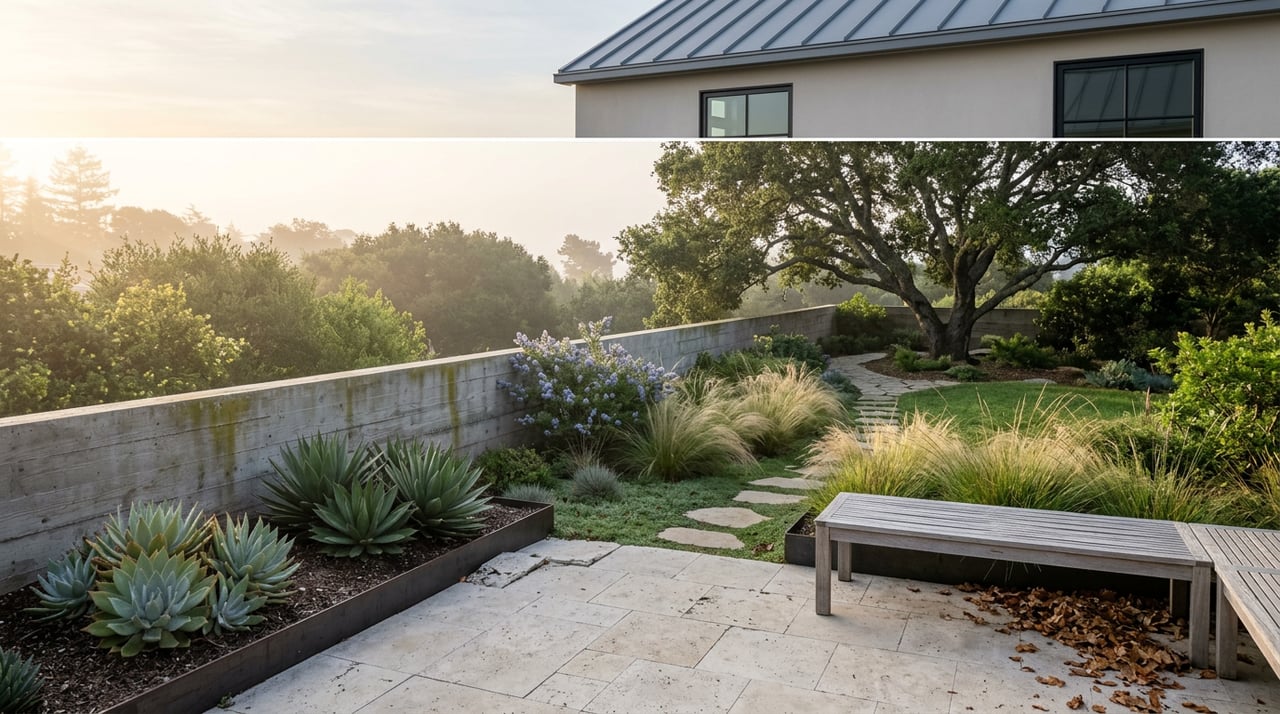
The Lower Riviera is shaped by steep hillsides, sandstone walls, walkways, and a street pattern influenced by the terrain. City design guidelines describe the Bungalow Haven portion as having modest one-story bungalows in Craftsman and period-revival styles, often with open front porches and tree-lined streets.
This area fits buyers who want a hillside setting with architectural character and a more tucked-away feel. Topography plays a major role here, so the experience can feel more intimate, layered, and view-oriented from block to block.
Established residential neighborhoods
San Roque
San Roque developed largely from the mid-1920s through the 1950s, and the city’s survey identifies a range of styles that includes English Vernacular, Tudor Revival, Spanish Colonial Revival, Craftsman, Minimal Traditional, and Ranch. Many homes are also tied to Santa Barbara’s Small Houses movement.
In practical terms, San Roque often reads as a long-established residential neighborhood with a quieter and more settled cadence. If your priority is a traditional neighborhood feel rather than a downtown or waterfront environment, San Roque is one to study closely.
Westside
The Westside includes a mix of single-family, duplex, and multifamily housing, with density increasing closer to the urban center. City materials also note 1920s development and a streetscape where Tudor Revival and Craftsman homes can sit side by side.
This creates a more urban-residential feel than neighborhoods like San Roque or the Mesa. If you are open to a broader range of housing types and want to stay connected to the city’s central fabric, the Westside may offer a useful middle ground.
Eastside
The Eastside lies east of Milpas and south of Canon Perdido, with small-lot single-family pockets alongside a more urban residential fabric. City projects focused on Eastside Community Paseos are intended to improve bike and pedestrian connections to downtown and other destinations.
For buyers, the Eastside is best understood as practical, lived-in, and increasingly connected. It is not defined by one signature destination feature, but it can make sense if you value access, neighborhood functionality, and proximity to the broader city.
How to choose the right fit
The best Santa Barbara neighborhood for you usually depends less on a label and more on how you want your week to feel. A strategic search starts by matching your priorities to the city’s distinct everyday environments.
Ask yourself:
- Do you want to be closest to the beach or closer to State Street?
- Do you prefer a walkable urban setting or a quieter residential rhythm?
- Are hillside views and topography a feature for you or a complication?
- Do you want a mixed-use, active area or a more established neighborhood pattern?
- Is architectural character a major priority in your home search?
When you answer those questions first, you can compare neighborhoods with much more clarity.
Why neighborhood strategy matters
In Santa Barbara, architecture, slope, and distance to the waterfront or downtown do a lot of the sorting. That is why many buyers narrow their search by lifestyle feel before they narrow by home type.
This approach can save time and reduce second-guessing. Instead of trying to learn the whole city at once, you can focus on the few areas that best match how you want to live, move, and spend your time.
If you are planning a move and want a clearer read on which Santa Barbara neighborhoods align with your goals, Anthony Aurignac can help you approach the search with a more strategic lens.
FAQs
What are the most beach-centric neighborhoods in Santa Barbara?
- West Beach, East Beach, and the Mesa are the city’s most beach-centric areas, each offering a different mix of shoreline access, outdoor amenities, and residential feel.
Which Santa Barbara neighborhoods feel most walkable and historic?
- Downtown, the Presidio, and El Pueblo Viejo are the strongest choices if you want a pedestrian-friendly setting with strong historic character.
Which Santa Barbara neighborhoods are most view-oriented?
- Lower Riviera and parts of Upper East are among the most view-oriented areas, with hillside topography and strong architectural character.
Which Santa Barbara neighborhoods feel more residential and established?
- San Roque, much of the Westside, and parts of the Eastside tend to feel more residential, with established neighborhood patterns and a quieter daily rhythm than the waterfront or downtown core.
How should a buyer start comparing Santa Barbara neighborhoods?
- Start with your lifestyle priorities, such as beach access, walkability, views, topography, and the type of daily pace you want, then narrow into the neighborhoods that best match those preferences.